
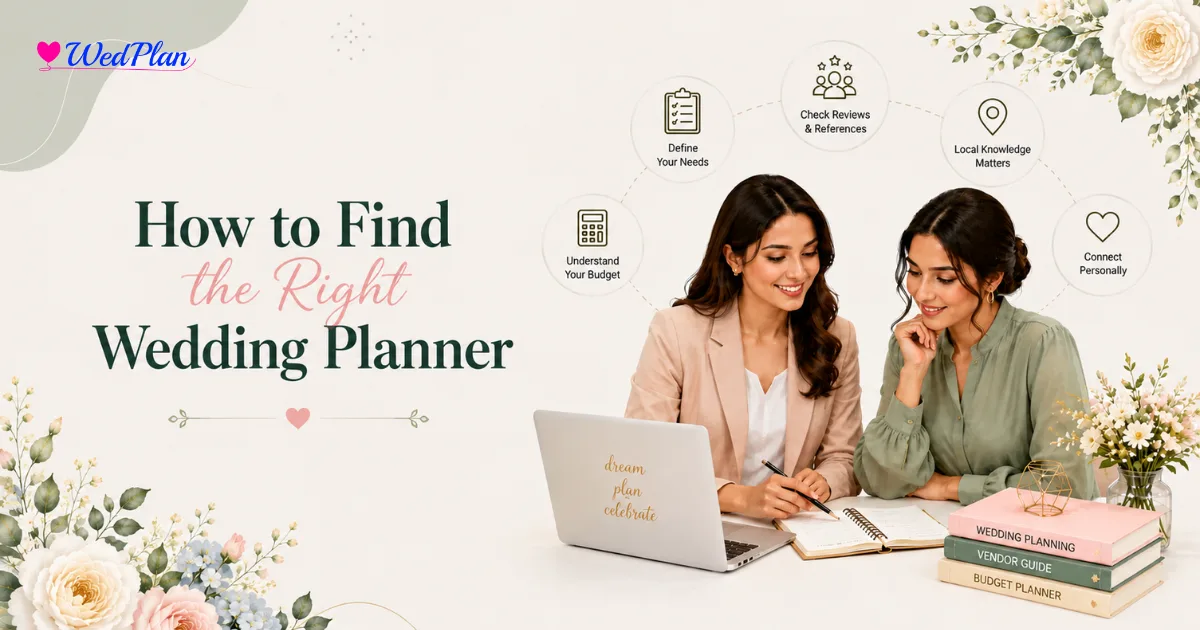
You're engaged — congratulations! Once the excitement settles, the to-do list appears: venue, catering, photography, florals, guest lists, timelines... and suddenly, hiring a wedding planner feels less like a luxury and more like a lifeline.
But the search itself can feel like a full-time job. Between all the research, the consultations, the contract reviews, and the portfolio browsing, it's easy to feel more stressed than when you started. That's exactly why we put together this guide — to give you a clear, structured way to find a planner who gets your vision, respects your budget, and makes the entire journey genuinely enjoyable.
1. When Should You Start Looking?
The honest answer? As soon as possible — ideally right after you get engaged or shortly after securing your venue. Waiting too long is one of the most common missteps couples make, because the best planners book out fast, especially for peak wedding seasons.
Aim to have your planner locked in at least 12 months before your wedding date. This gives you enough runway to work through the planning process together without rushing decisions that deserve real thought — vendor selection, budget mapping, design concepts, and more. If you're planning a destination wedding or a large multi-day celebration, start even earlier.
One more thing: decide early whether you want a full-service planner, a month-of coordinator, or something in between. That choice shapes your entire search. (Not sure which? Read our guide to the different types of wedding planners.)
2. What Does a Wedding Planner Actually Cost?
Budgeting for a planner isn't something to figure out at the end — it should be one of the first numbers you pin down. Planner fees vary widely based on experience level, the scope of services, the size of your wedding, and whether you're planning locally or at a destination.
As a general benchmark, industry data suggests setting aside roughly 6–10% of your total wedding budget for professional planning help. A full-service planner commands more than a day-of coordinator, and destination weddings naturally carry higher fees due to travel, logistics, and extended involvement.
Key Statistics:
- 6–10% of total budget recommended for your planner
- 12+ months before the wedding to start your search
- 36% of couples hire a day-of coordinator — the most popular choice
- 41% of couples find their planner through their venue's recommendation
Keep in mind that the right planner often saves you money in the long run — through vendor relationships, contract negotiation, and budget accountability. Think of it as an investment with returns, not just a line-item expense.
3. Where to Actually Find Wedding Planners
The search can feel overwhelming when you open a browser and type "wedding planners near me." Here's a smarter approach — use the channels that real couples have found most reliable, in order of effectiveness.
01. Ask your venue first
Your venue is usually the single best source of planner referrals — they've seen dozens of planners work their space and know exactly who delivers. Many venues maintain an approved vendor list, which also means you'll get planners already familiar with the layout, staff, and quirks of the property.
02. Tap your personal network
Friends, siblings, coworkers — anyone who's been married recently is a valuable source. The best referrals come from people whose wedding you actually attended, so you've seen the planner's execution firsthand. When asking, don't just collect names — find out why they'd recommend that person and whether they'd hire them again.
03. Browse a wedding marketplace
Curated wedding marketplaces are built specifically to help you filter planners by location, style, reviews, and budget range. They make the vetting process far less daunting by narrowing a massive pool into a workable shortlist — with ratings and portfolios in one place.
04. Use social media strategically
Instagram, Pinterest, and YouTube are excellent for more than inspiration. Many planners are active on these platforms, and scrolling their content gives you an honest sense of their aesthetic, personality, and how they think. Pay attention to how they interact with followers — responsiveness and warmth there often carry over into their client relationships.
4. How to Vet and Choose the Right Planner
Once you have a shortlist of three to five planners, it's time to go deeper. Availability and price are just the starting point — the real filtering happens when you start talking directly.
Ask about their communication style
You'll be in regular contact with your planner for months. If you prefer quick replies but they're only available on scheduled calls, that friction adds up fast. Ask specifically: how they prefer to communicate, what their typical response window looks like, and how many weddings they manage at a time. A planner who limits their client load will almost always give you more focused attention.
Check whether their style matches your vision
Portfolio review is non-negotiable. Look for weddings in a similar scale, budget, and aesthetic to what you're imagining. A planner who specialises in maximalist palace weddings may not be the best fit for an intimate garden ceremony — even if their work is stunning. Your planner should be excited by your vision, not quietly trying to redirect it.
Have an honest budget conversation early
The best planners are direct about what things actually cost. If a planner lets you build out a vision without reality-checking the numbers, that's a red flag. You want someone who sets honest expectations from the very first call — the good, the trade-offs, and the alternatives.
Call their references
Any planner worth hiring will have past clients willing to speak on their behalf. Don't skip this step. Ask references how the planner handled stressful moments, whether they stayed within budget, and whether communication was consistent throughout.
5. How to Make the Hire Official
Once you've found your person, the process of making it official is fairly straightforward — but there are a few things to do carefully.
- Schedule at least one in-person or video consultation before committing. No amount of Instagram scrolling replaces a real conversation.
- Review the contract in full — understand what's included, what's not, and what happens in the event of a cancellation on either side.
- Confirm the scope of services matches your expectations. "Day-of coordination" can mean different things to different planners, so get specifics in writing.
- Ask who will actually be present on your wedding day. Some larger firms assign an associate planner after the lead planner closes the sale.
- Secure your booking with the agreed deposit and keep a copy of all signed documents.
Don't rush this step simply because you found someone you like. Taking a day to read the contract carefully is far less painful than discovering a misunderstanding six months into the process.
6. How to Work Well With Your Planner After Booking
Signing the contract is just the beginning. The quality of your working relationship from this point forward will shape the entire planning experience — and eventually, the wedding day itself.
Give your planner everything they need to work with
Your planner can only create what they can see. Share your inspiration liberally — mood boards, Pinterest collections, magazine pages, saved Instagram posts, even screenshots from weddings you've attended. The more vivid and specific your references are, the less room there is for guesswork. Think of it as building a shared language for your vision.
Stay actively involved — without micromanaging
The most common mistake after hiring a planner is going to one of two extremes: completely disappearing and hoping for the best, or second-guessing every decision they make. Neither works. Stay responsive, meet your deadlines, and offer feedback clearly — but also give them the space to do what you hired them to do. Their experience and vendor relationships are the very thing you're paying for.
Trust their industry knowledge
When your planner pushes back on a vendor choice or flags a timeline concern, listen. They're not trying to override your preferences — they're drawing on experience from dozens of weddings to protect yours. A good planner won't just tell you what you want to hear. They'll tell you what you need to know.